
Online mixing and mastering
Radio-ready records, mixed and mastered in one room.
I mix and master your song myself, in my Los Angeles studio, for artists in 56 countries. Through the same analog chain and monitoring used on major-label releases. Three revision rounds as standard, and unlimited revisions free for first-time clients. More than 3,020 songs mixed and mastered, and rated 5 stars across more than 1,000 reviews.
What you get
Everything a finished record needs.
One price, one engineer, no add-ons bolted on at checkout.
Professional mixing
A full mix by me, using the same analog gear and plugins used on major-label releases. Balance, EQ, compression, effects, the lot.
Vocal tuning & alignment
Precise pitch correction and every take aligned so the vocal sits where it should. Auto-Tune on the Pro package, with Melodyne as well on Elite.
Drum replacement when it’s needed
Professional samples blended with your original tracks for punch and clarity, without losing the feel of the performance.
Analog mastering
The final master runs through real analog mastering hardware for warmth, punch and the finish you hear on the radio.
Revisions until it’s right
I work with you until you’re happy. First-time clients get unlimited revisions free. No pressure, no hidden fees.
Delivered in every format
Your master as a .WAV optimised for streaming, and Apple Digital Masters certified for quality across platforms.
Credits
490 records, and the names on them.
Muso.ai verifies credits against commercial releases, so the number is checkable rather than a claim. Check the profile yourself. It ranks me in the top 1% of mixing and mastering engineers worldwide, in both disciplines, not just one.
Credits you will know
A$AP Rocky, Carly Rae Jepsen, Lil Yachty, Remi Wolf, Cuco, Still Woozy and ericdoa, across major-label and independent releases.
490+ verified credits
Each one tied to a released record and verified independently by Muso.ai. That is the subset carrying a formal credit; the 3,000-plus total also takes in independent records and studios I work with directly.
Rated 5 stars
More than 1,000 reviews across SoundBetter, Reviews.io and Trustpilot, plus every review left on the packages on this site.
How it works
Four steps. Five business days.
01
Send your stems
Buy online and you get an upload link straight away. Send individual tracks or your whole DAW session.
~10 minutes
02
I mix and master it
I do the work personally in my Los Angeles studio. Never an assistant, never farmed out.
3–5 business days
03
You review it
Listen, then ask for changes. I refine it until it’s right.
Revisions in 24–48 hrs
04
Take your master
Download the finished master in every format you need and release it with confidence.
Same day
The room
Where your song actually gets made.
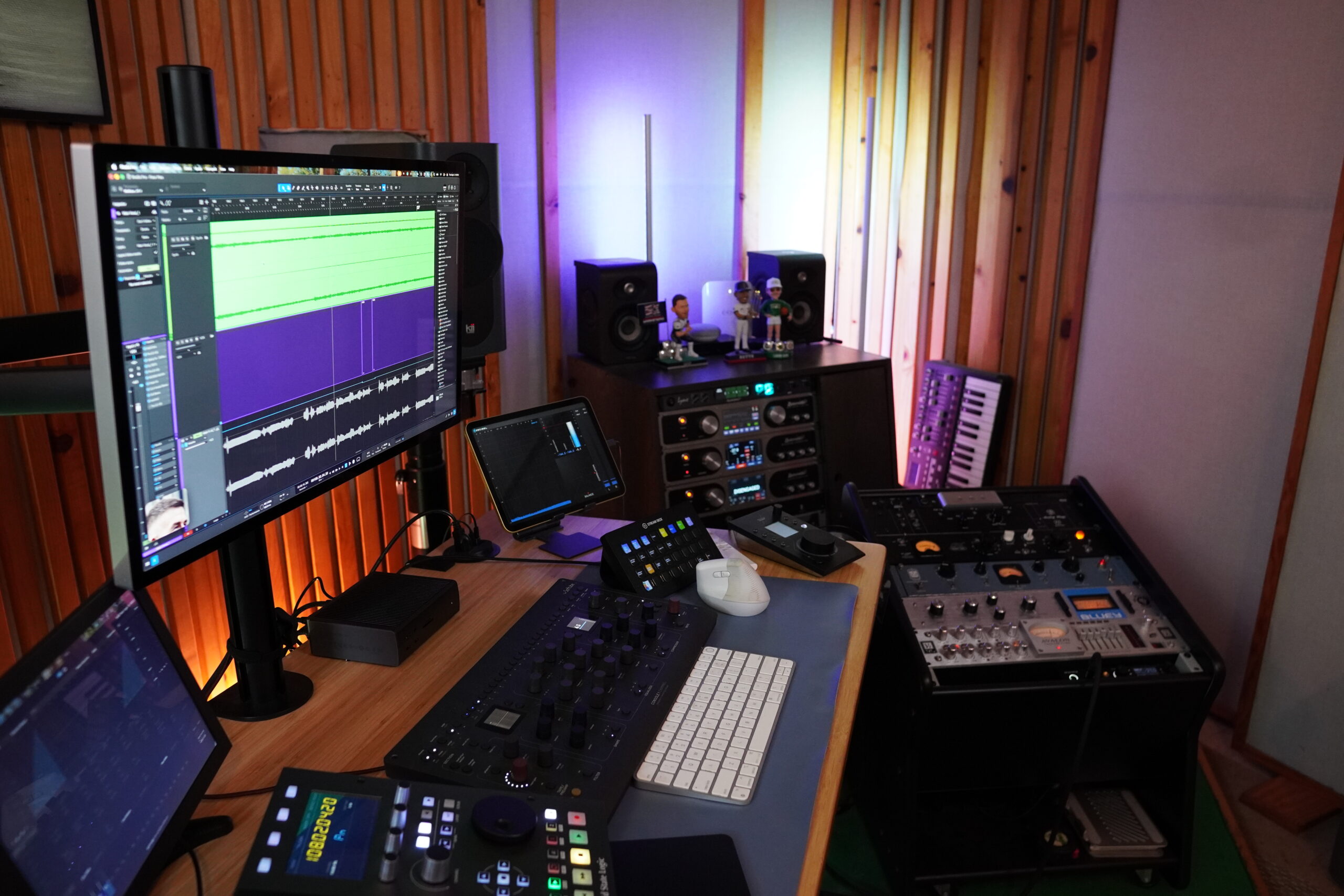
Not a bedroom, not a laptop in a coffee shop. This is the room your record passes through, and the hardware it passes through in it.
Analog front end
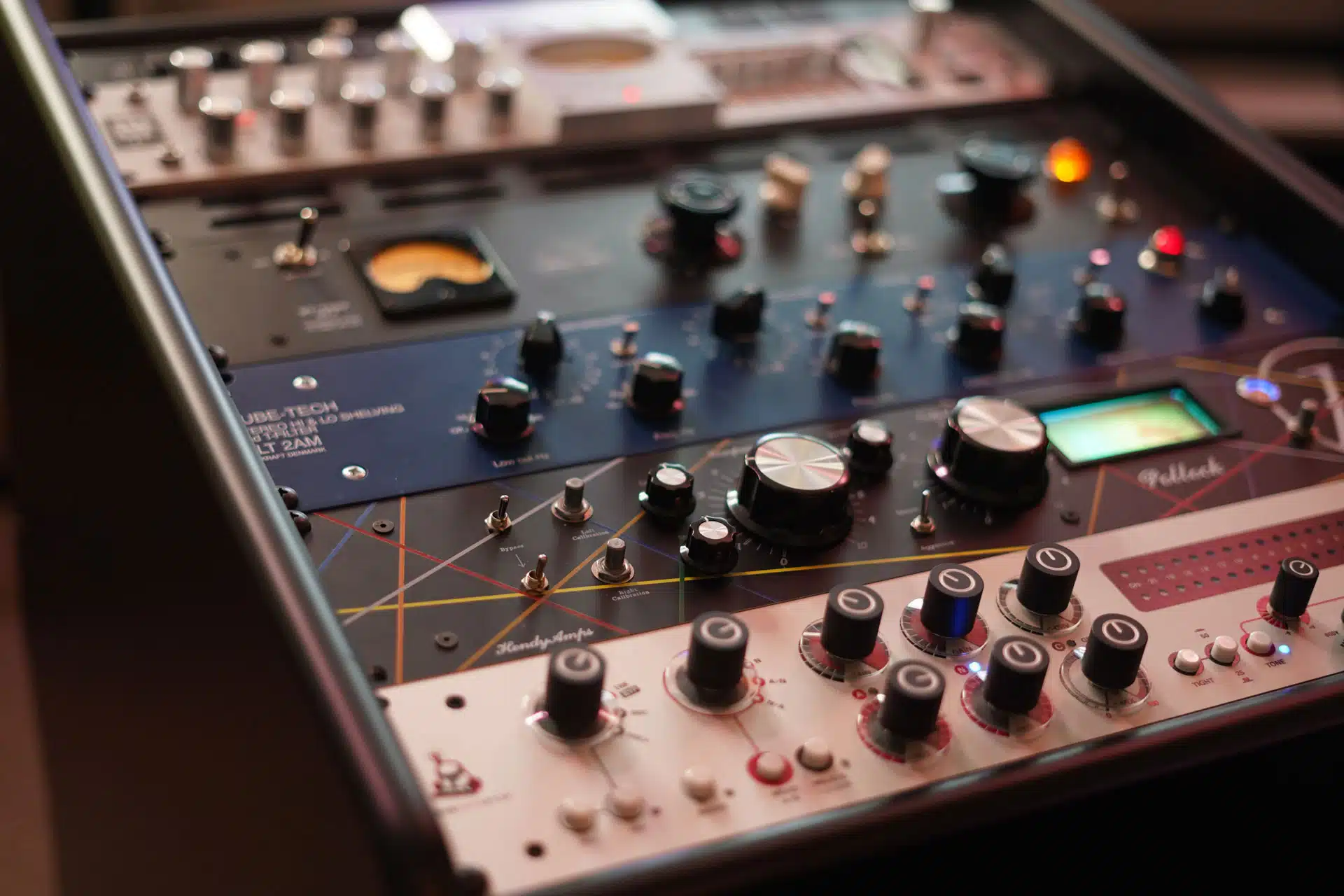
Avalon 747 vacuum-tube compressor and EQ · Locomotive Audio 14B tube limiter · Black Lion Audio BLUEY FET limiting amplifier.
Mastering chain
Bettermaker Mastering Limiter, Mastering Compressor and Mastering Equalizer. Recallable analog processing, so a master can be revisited exactly as it was.
Conversion and monitoring
Lynx Aurora(n) conversion · RME ADI-2/4 Pro SE · Trinnov D-Mon monitor control · Kii Three active monitors.
Plugins
A full professional plugin library alongside the hardware. The analog chain is what most rooms don’t have; the plugins are simply the rest of the toolkit.
Hear the difference
Before and after, in your genre.
Every track was recorded by a real independent artist and mixed and mastered in my Los Angeles studio.
Why one engineer
Why every mix here includes mastering.
Most online mixing services send back a mix file and call it done. Here’s why that shortchanges your record.
The problem with mixing only
- An unmastered mix sounds unfinished. It lacks loudness, low-end tightness and the high-frequency air mastering adds.
- Spotify, Apple Music and Tidal all normalise loudness. Without mastering, your song arrives quieter and smaller than everything around it.
- Mix and master decisions are connected. When two engineers work in silos, things fall through the cracks.
- A great mix engineer hears your song differently than you do. They hear the 808 fighting the kick, the vocal getting swallowed in the chorus, the hi-hats poking too hard at 2:14, and then they fix all of it.
The advantage of one engineer for both
- I mix with the master in mind. The low-end decisions I make while mixing already account for what the mastering limiter will do.
- Your song goes out finished. Ready for Spotify, Apple Music, vinyl, radio and sync the moment you receive it.
- Yes, major labels separate mix and master. They also have dedicated teams, months of time and six-figure budgets.
What clients say
5 stars, more than 1,000 times.
Every review below is from a verified purchase of one of the packages on this page. Nothing here is solicited, edited for tone, or written by anyone who did not send me a song.
John
“Great sounding mixes and easy, fast to work with. I’ve used a few comparable (and pricier) online mixers but keep coming back to Matty because the end result is superior.”
Mixing and Mastering Pro
Caleb K.
“Spent years working with other mixing and mastering engineers, just settling for the results. Working with Matty, I finally get that sound, on each and every track, that’s even better than what I could have envisioned myself.”
Mixing and Mastering Pro
Kenton D.
“I’ve been trusting Matty with mixing and mastering projects for my clients for the last few years. He is always on point and puts in the time and care needed to really bring a song to life.”
Mixing and Mastering Pro
Hunter B.
“I was a little intimidated sending my songs off for mix and master for the first time and Matty could not have made the process easier. As a returning customer, I highly recommend Matty for your next project.”
Mixing and Mastering Pro
Chanwoo Y.
“Matty is one of the best mixing and mastering engineers in the entire industry. His fast and professional work is unmatched. I strongly recommend working with Matty.”
Mixing and Mastering Pro
Mario Castro, Capture Acid
“I have used the stem mastering service for 15 tracks across three different artists and genres. Every single time, Matty delivers perfection. The cohesiveness, depth, and fullness he brings to each track are magical.”
Stem Mastering
Enis A.
“The whole experience with Matty was perfect and excellent in every aspect. He delivered a work beyond my expectations and really friendly and professional throughout the whole process.”
Mixing and Mastering Pro
Christian R.
“I’ve struggled to elevate my mixes in the mastering stage without emptying my bank account, but that’s changed since going to Matty. He not only delivers 10x over from a quality perspective, he is reliable and easy to communicate with.”
Stereo Mastering
Jose D.
“Stem mastering has been the best thing for my music. If my vocals feel buried or my bass lacks punch, stem mastering allows for targeted adjustments without affecting the entire mix. This is especially important in reggaeton, where tight drum patterns and clear vocals are crucial.”
Stem Mastering
The other thousand are on SoundBetter, Reviews.io and Trustpilot.
Pricing
Two options, but the same mix.
Both options include mixing and analog mastering. The quality is the same. The difference is in the details.
First-time client? Claim your code for unlimited revisions with the Pro package.
Pro
$349per song
- Full mix and analog master
- Vocal tuning and alignment (Auto-Tune only)
- Instrumental and acapella included
- 3 revision rounds
Elite
$449per song
- Everything in Pro
- Vocal tuning and alignment (Auto-Tune & Melodyne)
- All alt mixes plus mixed stems
- Unlimited revisions
Already mixed and only need a master? Stereo mastering from $70 · Stem mastering $110
Why me
What sets this apart.
A proven track record
Over 20 years mixing and mastering. Ranked in the top 1% of mixing and mastering engineers worldwide by Muso.ai, with 490+ verified credits.
Fast turnaround
Most projects delivered in 3–5 business days, with a 48-hour rush option when a deadline is tight.
The same gear as the major-label work
The same analog gear and plugins used on major-label releases, in a purpose-built Los Angeles studio.
You talk to me
No middlemen and no account managers. You work directly with the person mixing your record.
Genre range
Pop, Hip Hop, R&B, Rock, Country, Latin, EDM and more. Hear any of them in the player above.
Satisfaction guaranteed
First-time clients get unlimited revisions free. Claim your code. I work with you until it’s right, however many rounds that takes, and there is no per-revision charge.
After you order
What actually happens next.
No mystery, no waiting to find out how this works.
01
You get an upload link by email within minutes of checkout. Send stems, a session, or a single file. Whatever you have.
02
I check your files are usable before I start. If something needs re-exporting, you hear from me that day, not a week later.
03
Your first version lands in 3–5 business days, as a private link you can play anywhere.
04
Revisions are requested by email in plain English: "vocal up, less reverb" is enough. Back within 48 hours.
Questions
The things people ask before they send a song.
How do I prepare my files for upload?
If you work in Pro Tools, Logic, LUNA or Studio One, send the session file with all the audio included, and convert any MIDI or virtual instrument tracks to audio first, because I will not always have your synths or sound banks. From any other DAW, send stems as separate WAV or AIFF files, 24-bit, 44.1kHz or higher, all starting at the same point in the timeline. For mastering only, send a 24-bit WAV of the stereo mix with no compression, EQ or limiting on the master fader.
How long does the process take?
Single songs come back in 3 to 5 business days. Albums usually take a week to a week and a half, depending on how complex the tracks are. If you are up against a deadline, there is a 48-hour rush option for a small additional fee.
What if I need changes after the first mix?
Three revision rounds are included as standard, and first-time clients get unlimited revisions free, code here. Requests go by email in plain English. "Vocal up, less reverb" is enough, and changes come back within 48 hours.
What if I'm not satisfied with the final result?
I do not offer full refunds. I offer something more useful: unlimited revisions on your first project, so we keep working until the record is right. In the rare case that the direction is wrong even after that, tell me and we will sort it out between us.
What genres do you work with?
Pop, hip hop, R&B, rock, country, Latin and EDM, plus most of what sits around them. You can hear a before and after in each of those genres in the player above, rather than taking my word for it.
Do you offer album discounts?
Yes, usually around 10% off a full EP or album. Booking the songs together also keeps the sound consistent across the project, which matters more than the discount does. For anything larger, get in touch and I will put a custom quote together.
How much does mixing and mastering cost?
$349 a song for the Pro package and $449 for Elite, both including mixing and analog mastering. Mastering on its own is $70 for stereo and $110 for stem mastering. There are no hidden fees and no per-revision charges.
Do you tune vocals and fix timing?
Yes, when the song needs it. The goal is a vocal that sits in key and feels finished, not one that sounds robotic. Auto-Tune is included on the Pro package, and Melodyne as well on Elite.
Do you work with artists outside the US?
Yes. The work is remote and always has been, for artists in 56 countries. Everything happens by upload and email, so your time zone makes no difference to the turnaround.
Is my music kept private?
Yes. Nothing is shared with anyone without your permission. Finished projects are archived for backup only, and never distributed or used for anything else.